Let's go on a journey

Our Amazing
Stories

Read More

Loneliness in a Busy City

Loneliness in a Busy City: Why So Many People Feel Disconnected

Cities are often associated with opportunity, movement, and connection. Yet many people living in busy urban environments quietly experience a deep sense of loneliness.

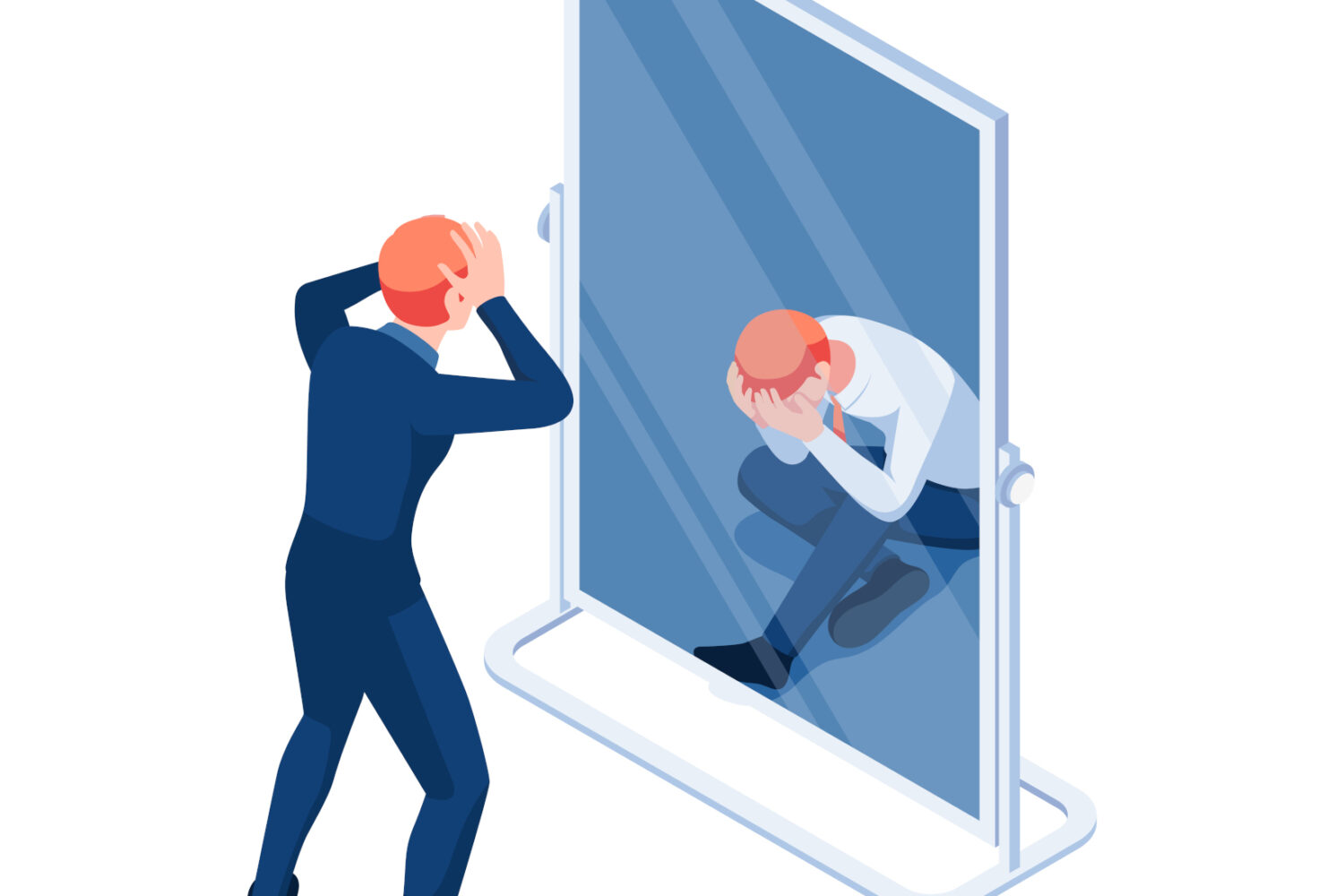
Loneliness isn’t simply about being alone. It’s about feeling unseen, unheard, or disconnected—sometimes even while surrounded by people.

In cities like Cape Town, where life moves quickly and demands are high, loneliness has become an increasingly common emotional experience.


Loneliness Is Not the Same as Being Alone

It’s possible to have a full calendar, active social life, or busy workplace and still feel lonely. Loneliness is less about the number of people around you and more about the quality of connection you experience.

You might notice loneliness when:

  • conversations stay on the surface

  • relationships feel transactional or rushed

  • you feel unable to be fully yourself

  • emotional needs go unspoken

These experiences can create a quiet sense of disconnection that’s difficult to explain or name.


Why Urban Life Can Increase Disconnection

Busy cities offer convenience and stimulation, but they can also encourage isolation.

Long work hours, commuting, financial pressure, and constant digital engagement can leave little room for meaningful connection. Over time, people may prioritise productivity and survival over emotional presence.

Social comparison—often amplified through social media—can deepen feelings of isolation, making it seem as though everyone else is more connected, fulfilled, or successful.


The Emotional Impact of Loneliness

Loneliness affects more than mood. Over time, it can influence emotional and physical wellbeing.

People experiencing ongoing loneliness may notice:

  • increased anxiety or low mood

  • difficulty trusting or opening up

  • emotional fatigue or numbness

  • a sense of invisibility or detachment

Because loneliness often carries shame, many people hesitate to talk about it, which can intensify the experience.


Why Connection Feels Harder Than It Used To

Many adults were never taught how to build or maintain emotionally meaningful connections. As life becomes more complex, relationships can feel harder to sustain.

Past experiences of rejection, loss, or disappointment may also make it difficult to reach out or risk vulnerability again. Over time, self-protection can quietly turn into isolation.

Loneliness is not a personal failing—it’s often a response to circumstances and experiences.


Counselling as a Place for Connection

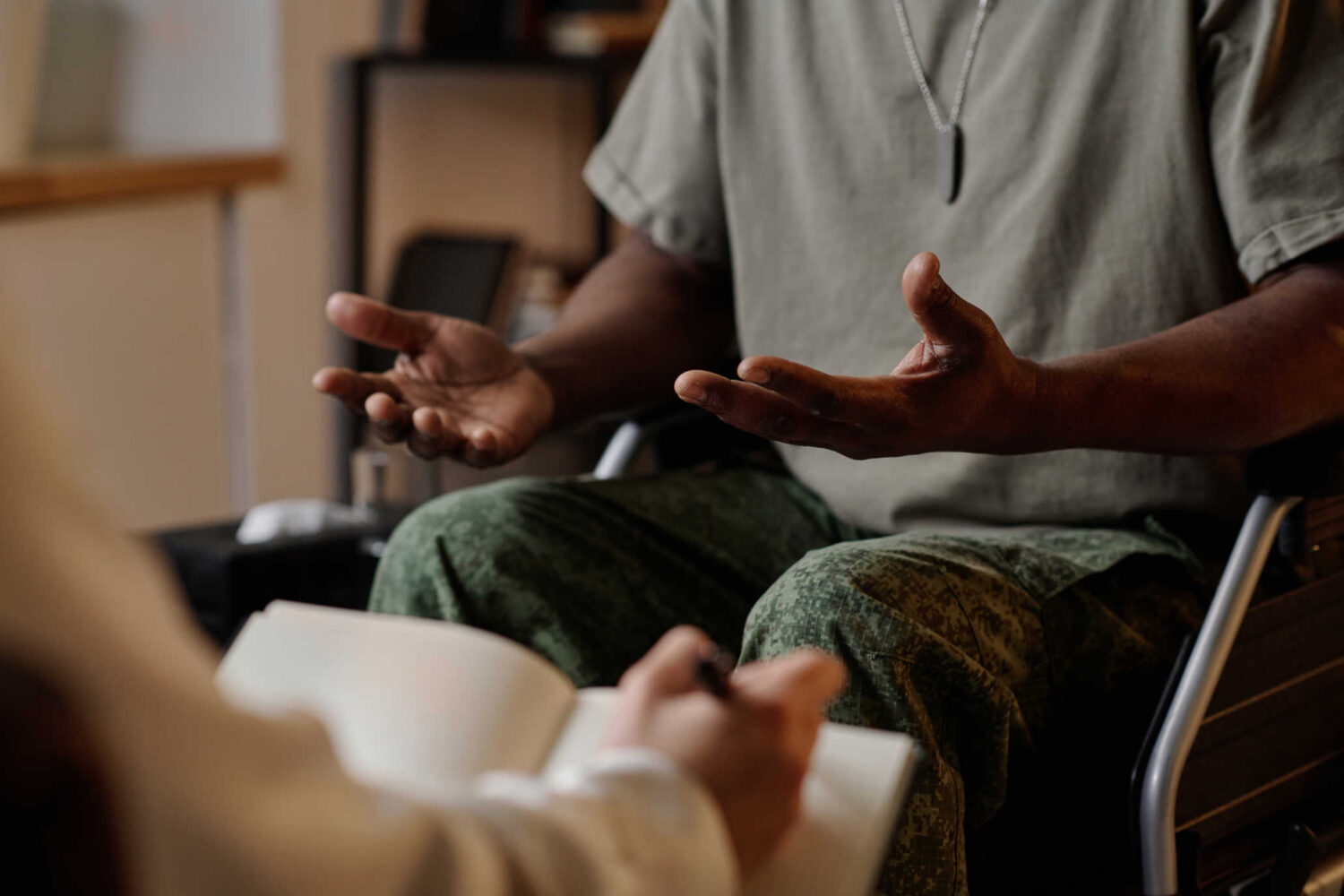
Counselling provides a space where connection can begin without pressure or expectation.

In counselling, people are invited to:

  • speak openly without needing to impress or perform

  • explore patterns that affect relationships

  • understand emotional needs more clearly

  • develop greater self-compassion

For many, the counselling relationship itself becomes a first step toward feeling understood and emotionally connected again.


Rebuilding Connection, One Step at a Time

Healing loneliness doesn’t usually involve dramatic changes or forced social interaction. It often begins quietly—with awareness, reflection, and small shifts in how you relate to yourself and others.

Over time, people often discover that connection starts from within: feeling more at ease with who they are, more able to express needs, and more open to meaningful engagement.


You’re Not Alone in Feeling This Way

Loneliness is far more common than it appears, especially in busy cities. If you’re feeling disconnected, it doesn’t mean something is wrong with you—it means something human within you is asking to be seen.

Counselling offers a place to explore that experience gently and honestly.

Sometimes, the path back to connection begins with a single conversation.

Relationship Counselling in Cape Town

Relationship Counselling in Cape Town: When Talking Isn’t Enough

Most relationships begin with connection, curiosity, and a sense of possibility. Over time, however, even strong relationships can feel strained. Conversations that once felt easy may become tense, repetitive, or avoidant.

Many couples reach a point where they’re still talking—but no longer feeling heard. This is often when relationship counselling becomes helpful.


When Communication Breaks Down

Couples rarely come to counselling because they’ve stopped caring. More often, they come because they do care, but their attempts to communicate keep leading to frustration or conflict.

Common signs include:

  • recurring arguments that never seem to resolve

  • feeling misunderstood or unheard

  • emotional distance or withdrawal

  • difficulty discussing sensitive topics

  • communication that escalates quickly or shuts down

These patterns can leave both partners feeling exhausted and disconnected.


Why Talking Alone Sometimes Isn’t Enough

Talking is essential in relationships, but not all talking leads to understanding.

When emotions run high, conversations are often shaped by past experiences, unmet needs, and protective responses. Partners may speak from defensiveness, fear, or hurt without fully realising it.

In these moments, talking can reinforce old patterns rather than create change.

Relationship counselling provides structure and support, helping couples slow conversations down and understand what’s happening beneath the surface.


What Relationship Counselling Focuses On

Relationship counselling is not about deciding who is right or wrong. Instead, it focuses on understanding patterns that keep couples stuck.

Counselling may help couples:

  • identify recurring conflict cycles

  • understand emotional triggers

  • improve emotional and practical communication

  • rebuild trust and safety

  • learn healthier ways to express needs and boundaries

The goal is not to eliminate conflict entirely, but to create a way of navigating it that feels respectful and constructive.


A Neutral and Supportive Space

One of the key benefits of relationship counselling is the presence of a neutral third party.

The counsellor’s role is to ensure both partners are heard and understood. This creates balance, especially when conversations at home feel one-sided or unproductive.

Many couples find relief in having guidance that keeps discussions focused, safe, and productive.


Relationship Counselling in Cape Town

In a busy city like Cape Town, relationships are often shaped by work demands, financial pressure, parenting responsibilities, and stress.

Relationship counselling offers a space to step out of daily pressures and focus intentionally on the relationship itself.

Some couples seek counselling during crisis. Others come proactively, wanting to strengthen their connection or address concerns early. Both approaches are valid.


When Counselling Can Help Most

Relationship counselling may be helpful if:

  • the same issues keep resurfacing

  • you feel emotionally distant from your partner

  • trust has been impacted

  • communication feels strained or unsafe

  • you want to improve your relationship but don’t know how

Seeking support is not a sign of failure. It’s often a sign of commitment and care.


Moving Forward Together

Relationships grow and change over time. When challenges arise, counselling offers a way to navigate them with intention rather than avoidance.

When talking alone isn’t enough, having support can make the difference between feeling stuck and finding a new way forward—together.

When Stress Becomes Too Much

When Stress Becomes Too Much: Signs You May Benefit from Counselling

Stress is a natural part of life. It helps us respond to challenges, meet deadlines, and navigate change. But when stress becomes constant or overwhelming, it can begin to affect emotional wellbeing, relationships, and overall quality of life.

Many people live with high levels of stress for longer than they realise, assuming it’s something they simply need to endure. Understanding when stress has crossed a line can be an important first step toward care and support.


Stress Doesn’t Always Look Like Burnout

Stress doesn’t always announce itself dramatically. Often, it builds quietly over time, showing up in subtle ways that are easy to dismiss.

You may notice:

  • ongoing tension or restlessness

  • difficulty relaxing or switching off

  • feeling emotionally irritable or numb

  • trouble concentrating or making decisions

  • disrupted sleep or persistent fatigue

These signs don’t mean something is “wrong” with you. They often indicate that your system has been under pressure for too long.


Emotional Signs Stress May Be Overwhelming

When stress becomes chronic, emotional resilience can begin to wear down.

Common emotional signs include:

  • feeling overwhelmed by small tasks

  • increased anxiety or worry

  • low mood or lack of motivation

  • feeling disconnected from yourself or others

  • frequent self-criticism or pressure to “keep going”

Many people minimise these experiences, especially if they’re still functioning outwardly. High-functioning stress can be particularly difficult to recognise.


Physical Signals the Body Sends

Stress affects the body as much as the mind. Over time, it can manifest physically.

Some people experience:

  • headaches or muscle tension

  • digestive issues

  • chest tightness or shallow breathing

  • weakened immunity

  • unexplained aches or fatigue

These symptoms are not imaginary. They reflect the body’s response to prolonged stress and deserve attention.


When Coping Strategies Stop Working

People often rely on familiar coping strategies to manage stress—staying busy, distracting themselves, or pushing through.

Counselling may be helpful when:

  • stress relief no longer lasts

  • old coping methods feel ineffective

  • you feel stuck in survival mode

  • emotions feel harder to manage

This doesn’t mean you’ve failed. It means your needs have changed.


How Counselling Helps with Stress

Counselling offers a space to pause and understand what’s contributing to stress, rather than simply trying to reduce symptoms.

Through counselling, people often:

  • identify stress triggers and patterns

  • learn healthier ways to regulate emotions

  • develop more sustainable coping strategies

  • challenge unhelpful thought patterns

  • create clearer boundaries and priorities

The goal is not to eliminate stress entirely, but to respond to it with greater awareness and choice.


Stress Support in a Busy World

In fast-paced environments like Cape Town, stress is often normalised. Many people feel pressure to keep going, even when they’re running on empty.

Counselling provides a space to step out of that pressure and focus on wellbeing without judgement.


Listening to the Signs

Recognising when stress has become too much is an act of self-awareness, not weakness.

If you’re noticing these signs in your own life, counselling may offer support, clarity, and relief—before stress takes a deeper toll.

Sometimes, the most helpful step is allowing yourself to slow down and be supported.

Anxiety and Stress in Cape Town


Anxiety and Stress in Cape Town: Why So Many People Are Struggling

Anxiety and stress have become increasingly common experiences in South Africa, and while exact figures for Cape Town alone are limited, national and provincial studies paint a clear picture of how widespread these challenges are and why many people find themselves struggling.


A Growing Public Health Concern

National research shows that mental health problems—particularly anxiety and depression—affect a significant portion of the South African population. In a large, nationally representative survey, about 17.8% of adults reported symptoms consistent with probable anxiety, based on standard screening tools like the Generalized Anxiety Disorder-7 (GAD-7) questionnaire.

This same research also found that probable anxiety was more common in metropolitan areas such as the Western Cape — the province that includes Cape Town — suggesting that urban life may be associated with higher emotional strain.


What Do These Numbers Mean?

A prevalence rate of nearly 18% does not mean that one in five people has a clinical diagnosis, but it does indicate that a significant number of adults experience anxiety symptoms that are moderate to severe and could benefit from support.

Other national data, including older but widely referenced surveys, show that anxiety disorders are among the most common mental health conditions in South Africa. One large-scale study found that anxiety disorders had the highest lifetime prevalence of any mental health category (about 15.8%) compared with mood disorders and substance use disorders.

Together, these figures indicate that symptoms of anxiety and stress are not rare — and they affect millions of adults across the country.


Why Anxiety and Stress Are So Common in Urban Areas

There are several reasons anxiety and stress are especially prevalent in cities like Cape Town:

1. Social and Economic Pressures

Factors such as financial stress, job instability, and housing challenges can increase emotional strain. South Africa’s high inequality and unemployment rates contribute to persistent stress for many households.

2. Post-Pandemic Impact

The COVID-19 pandemic significantly disrupted daily life and wellbeing around the world — including here. Research shows that psychological distress increased during the pandemic and likely continues to have lingering effects on emotional health.

3. Urban Density and Isolation

Living in a busy city can feel stimulating at times, yet isolating at others. The bustle of metropolitan life doesn’t always translate into meaningful connection, and this can contribute to ongoing feelings of stress and anxiety.

4. Exposure to Multiple Stressors

National studies suggest that multiple emotional risk factors — including anxiety, depression, and adverse childhood experiences — are interrelated, meaning people who experience one type of distress often also struggle with others.


The Price of Unaddressed Anxiety and Stress

When stress and anxiety go unaddressed, they can affect every aspect of life:

  • Sleep quality

  • Concentration and memory

  • Energy levels and motivation

  • Relationships and communication

  • Physical health (e.g., headaches, muscle tension, digestive issues)

Additionally, untreated anxiety symptoms can make it harder to cope with new challenges, increasing the emotional burden over time.


Why Counselling Can Be Helpful

Counselling doesn’t aim to “remove stress” entirely — stress is a normal part of life. Instead, it helps you understand:

  • the sources of your anxiety and stress

  • how you respond to emotional pressure

  • patterns of thought that increase distress

  • skills for responding with choice rather than reactivity

Through a safe and supportive counselling relationship, people often develop greater self-awareness, practical emotional skills, and a sense of internal stability — even when life remains challenging.


You’re Not Alone in What You’re Feeling

While statistics can feel abstract, the people behind them are real: individuals facing pressure, uncertainty, and the everyday demands of life. National data shows that anxiety and stress are widespread, and urban settings like Cape Town are not exceptions.

If you’re experiencing anxiety or overwhelming stress, counselling can help you make sense of what’s happening — not by dismissing your experience, but by giving language, space, and support to work through it.

References:

National Mental Disorder Prevalence (including anxiety)

Research from South Africa’s national mental health survey found that anxiety disorders were one of the most common lifetime mental health conditions, affecting about 15.8% of adults in the country.
Link: https://pubmed.ncbi.nlm.nih.gov/18245026/

Common Mental Disorder Prevalence in South Africa

A broader national analysis estimated that about 16.5% of the South African population had a common mental disorder in the previous 12 months, including anxiety and mood disorders.
Link: https://pmc.ncbi.nlm.nih.gov/articles/PMC4698554/

Psychological Distress Rates

Population surveys of South African psychological distress have shown that symptoms of depression and anxiety are widespread, with approximately 25.7% of adults showing probable moderate to severe distress.
Link: https://www.wits.ac.za/news/latest-news/research-news/2022/2022-11/mental-health-in-sa-is-at-shocking-levels-but-people-are-not-seeking-help-.html

Youth Mental Health (Anxiety & Depression)

A recent South African youth mental health survey found that 65% of respondents aged 15–24 reported feeling anxious or depressed, reflecting high emotional strain in young people.
Link: https://www.ketamind.co.za/the-mental-health-crisis-among-south-african-youth/?utm_source=chatgpt.com

Understanding Christian Counselling: A Comprehensive Guide

Christian counseling offers a unique approach to mental health treatment that combines traditional therapeutic techniques with biblical principles. By incorporating spirituality into the healing process, Christian counselors aim to address the whole person – body, soul, and spirit – leading to emotional, psychological, and relational healing and transformation.

Read more